HimalCyberX

HCX Intelligence

Threat Intelligence

Research and analysis of emerging cyber threats, adversaries and attack techniques based on publicly available security information.

Threat Overview

HimalCyberX threat intelligence covers ransomware, malware, phishing and advanced persistent threat research. Analysis is based on public advisories, vendor reporting and defensive security guidance.

Ransomware

Ransomware Operations

Analysis of ransomware campaigns, extortion tactics, infrastructure and defensive strategies.

Threat Research
View Research

Malware

Malware Research

Technical analysis of malicious software, delivery techniques and evolving malware families.

Malware Analysis
View Research

Phishing

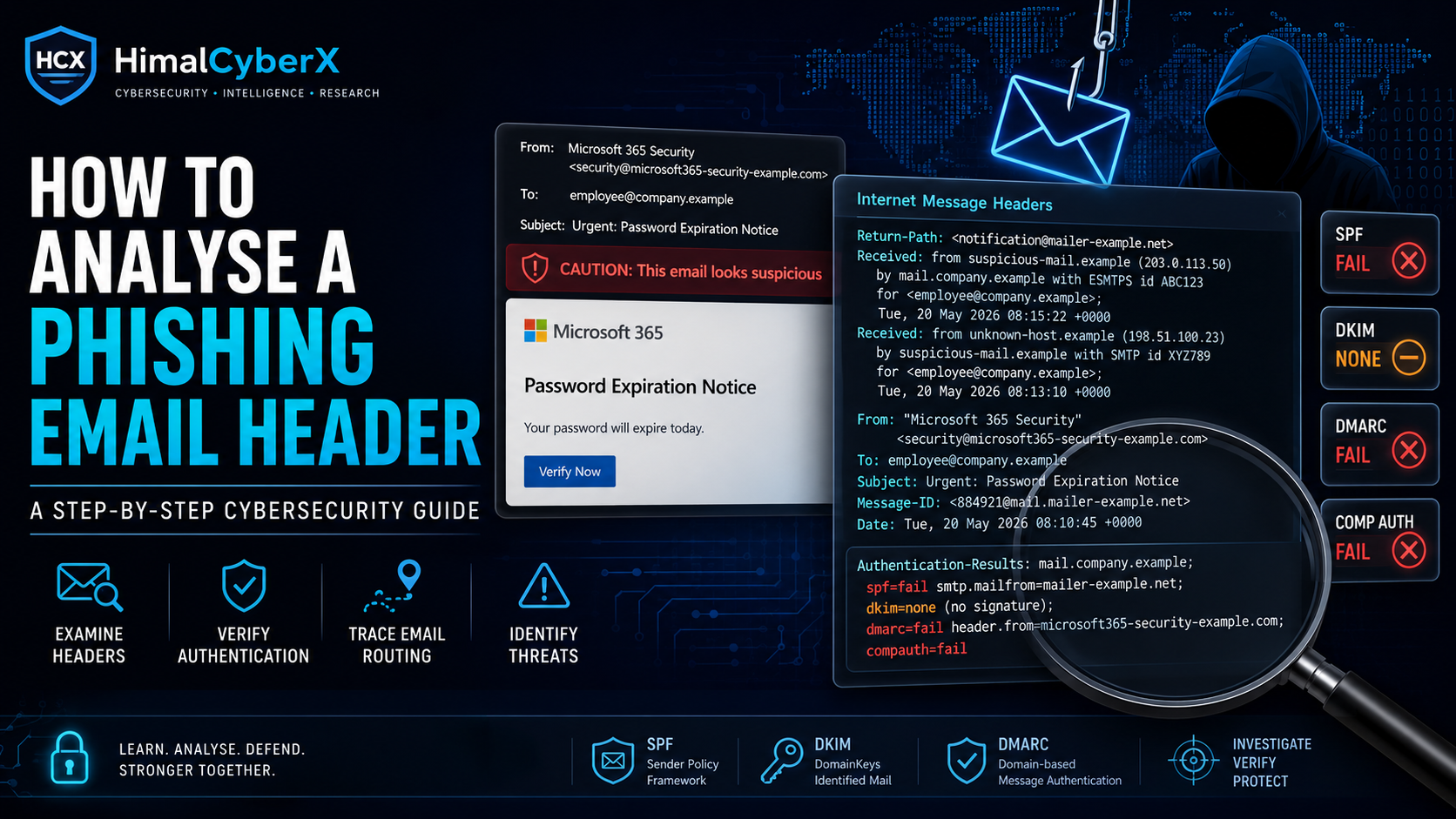
Phishing & Social Engineering

Research into credential theft, impersonation, social engineering and modern phishing campaigns.

Social Engineering
View Research

APT Groups

Advanced Persistent Threats

Analysis of sophisticated threat actors, long-term campaigns and targeted cyber operations.

Threat Actor Research
View Research

Intelligence Coverage

Research and analysis based on publicly available security information.

Ransomware

Malware

Phishing

Threat Actors

Threat Research by Category

Threat Intelligence

Threat Intelligence

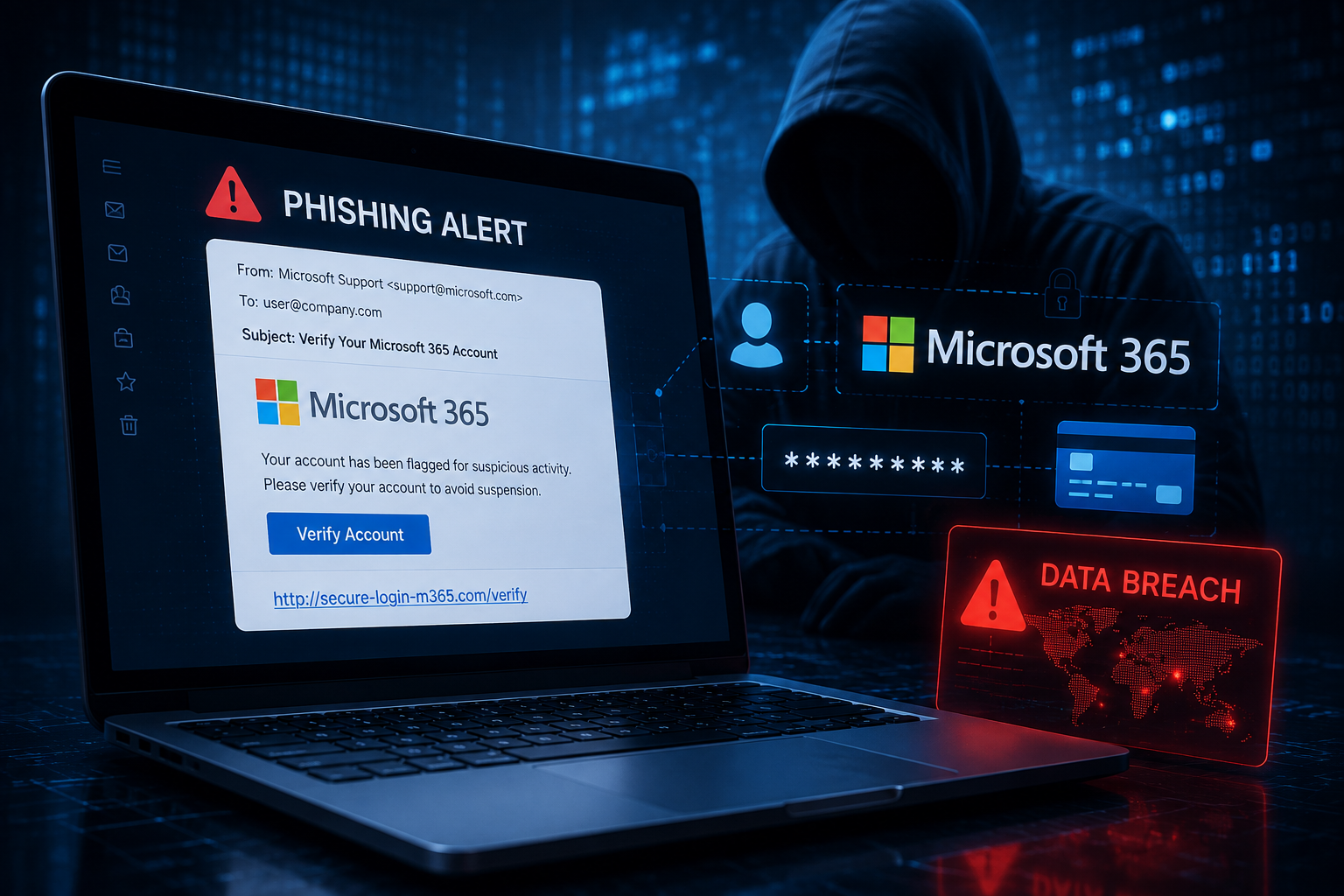
Microsoft 365 Phishing Attacks: How Threat Actors Steal User Credentials

Microsoft 365 accounts remain attractive targets for phishing campaigns because they can provide access to email, cloud files and business systems. This article explains how credential phishing works, the warning signs users should recognize, and practical security controls organizations can use to reduce account compromise.

HimalCyberX Research3 min read
Read analysis
Threat Intelligence

Ransomware Groups Are Increasingly Targeting Identity and Remote Access Systems

Ransomware operations are evolving beyond traditional malware-based attacks. Threat actors increasingly target credentials, identities, cloud accounts and remote access systems to gain an initial foothold inside organizations. This article examines how identity-based attacks work and the security controls organizations can use to reduce their exposure.

HimalCyberX Research4 min read
Read analysis

Newsletter

Stay Ahead of the Threat

Weekly cybersecurity intelligence, research and practical security guides.

No spam. Unsubscribe anytime. Privacy Policy